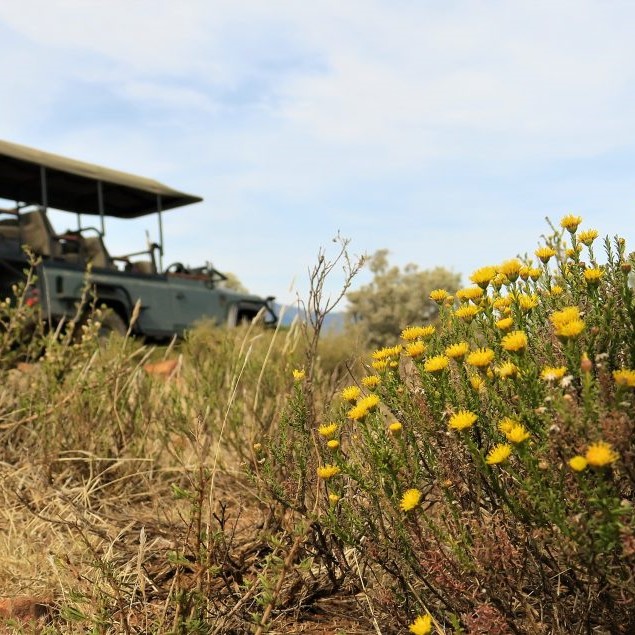
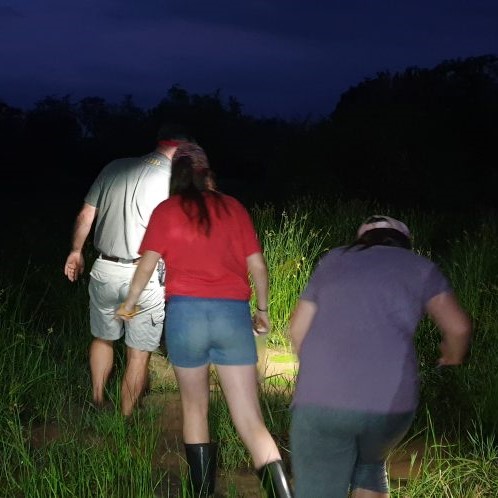
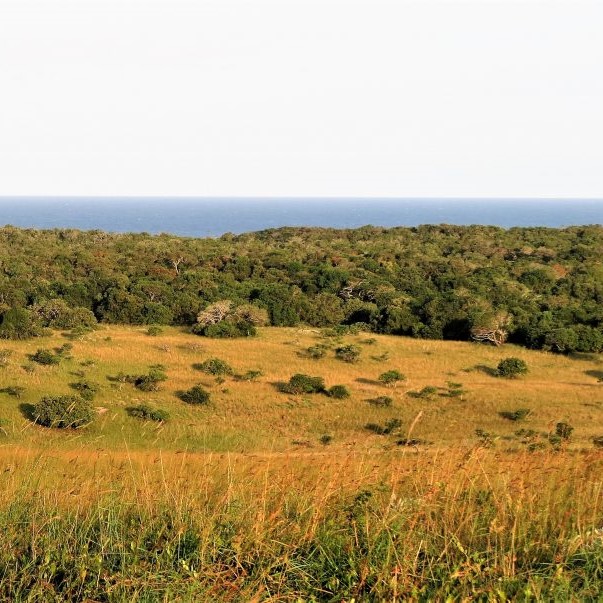
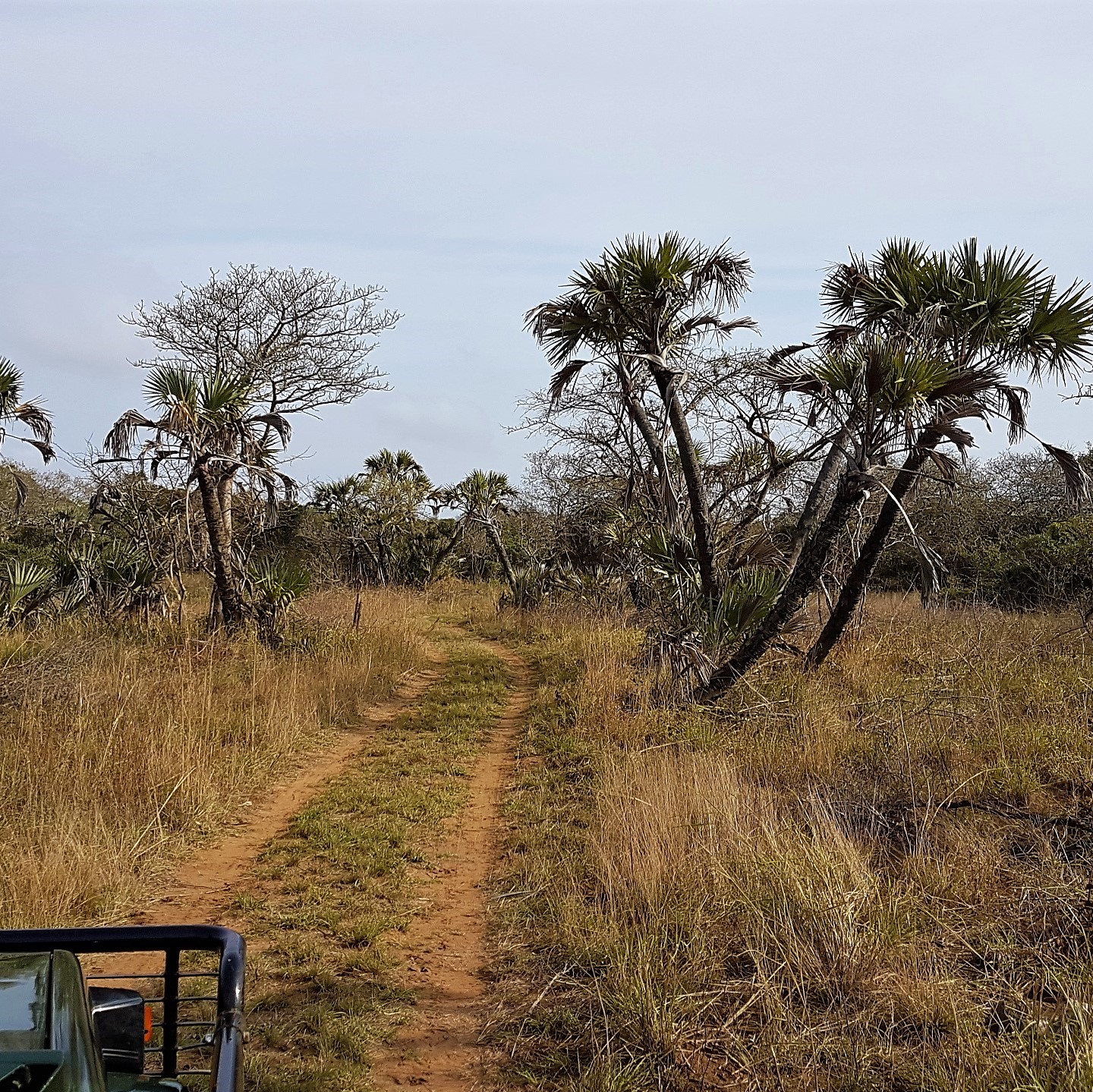
There are places in the bush where you feel yourself exhale without even realising you’ve been holding your breath. Pungwe Safari Camp is one of them. Tucked deep in the Manyeleti, where the trees hold the heat of the day and the night sky feels impossibly close, this little camp works its way under your skin in the gentlest of ways. It’s a place where simplicity is not a sacrifice but a rare luxury, and where the wild feels close enough to touch.

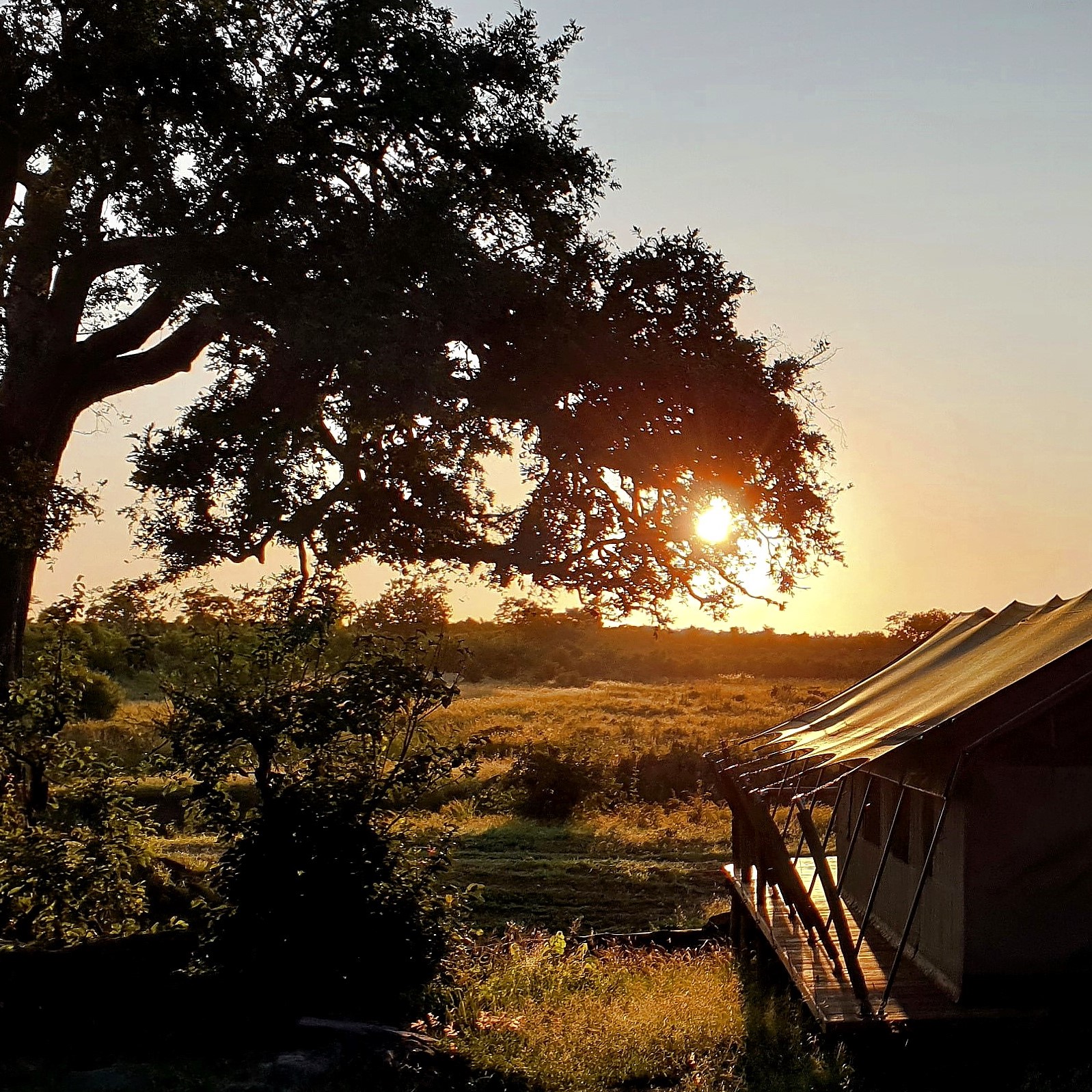
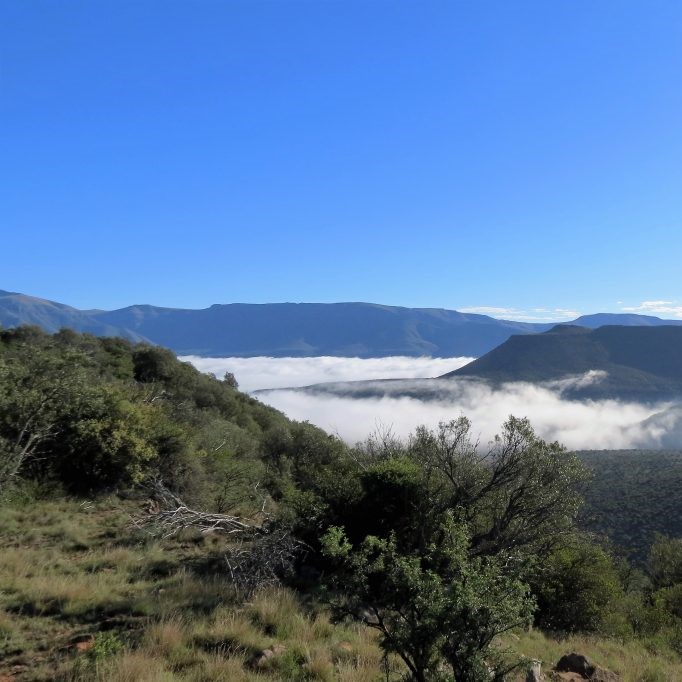
Each dawn begins with a familiar ritual. The kettle hums over the open fire in the same spot it has stood since the camp’s earliest days, sending up a lazy curl of woodsmoke as the first robin-chats greet the dawn. There’s no rush – just the crackle of flames, the soft clink of mugs, and the mist lifting gently off the surrounding bush. It’s the kind of morning that reminds me how little I actually need.

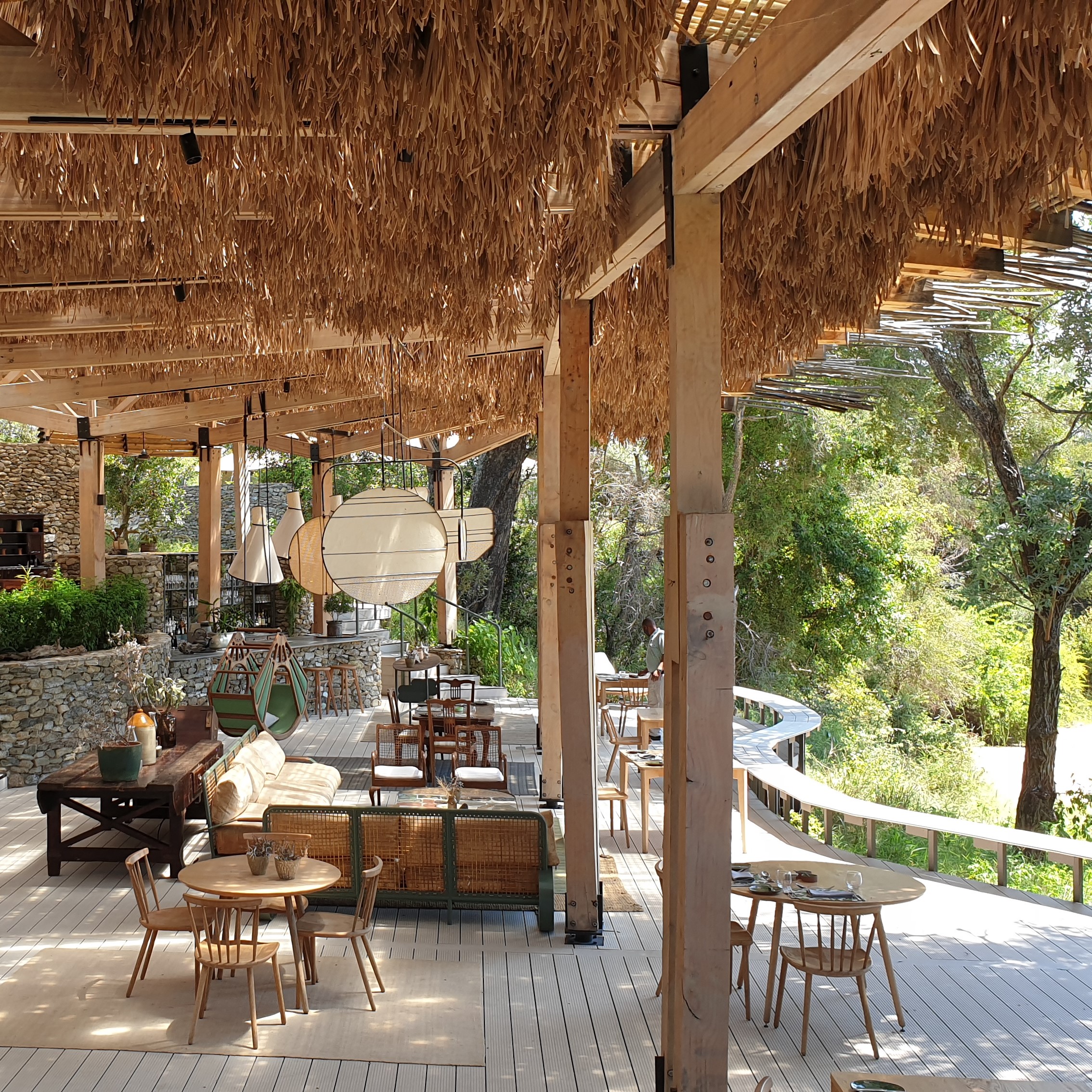
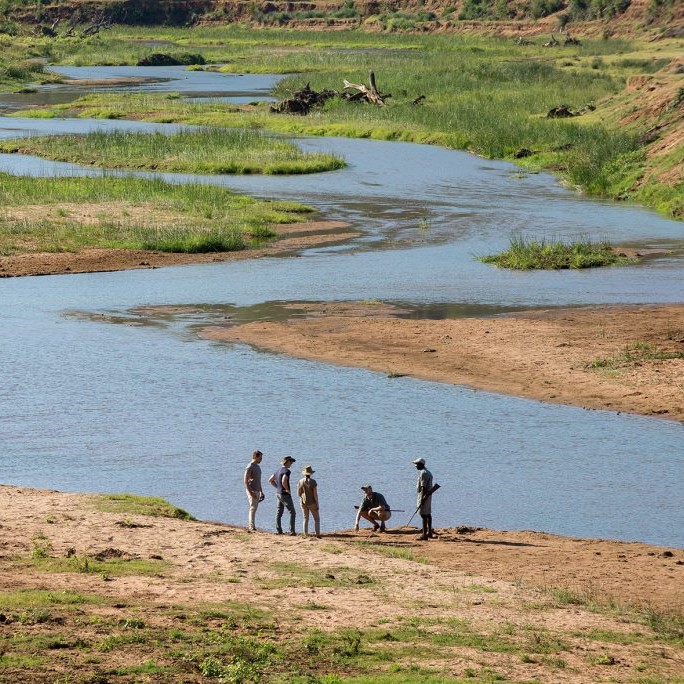
Days unfold easily at Pungwe. Bush breakfasts under wide skies. Long, unhurried hours where I lose myself in the quiet. Evenings around the fire, where the glow of the flames and the stories shared are all the entertainment we need. Dinner is served under a scatter of stars, candlelight casting soft circles of light, while nightjars call from somewhere in the distance.
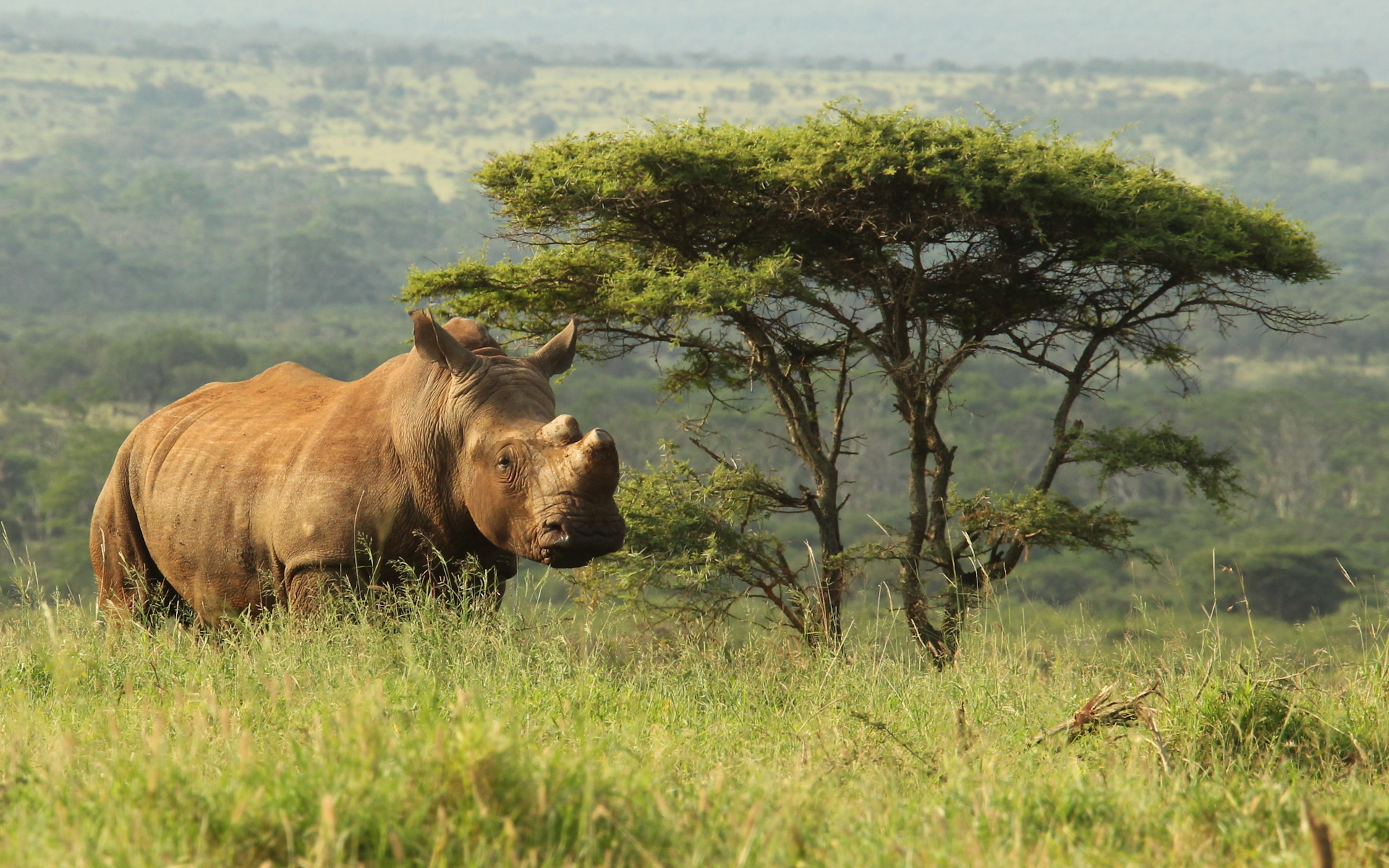
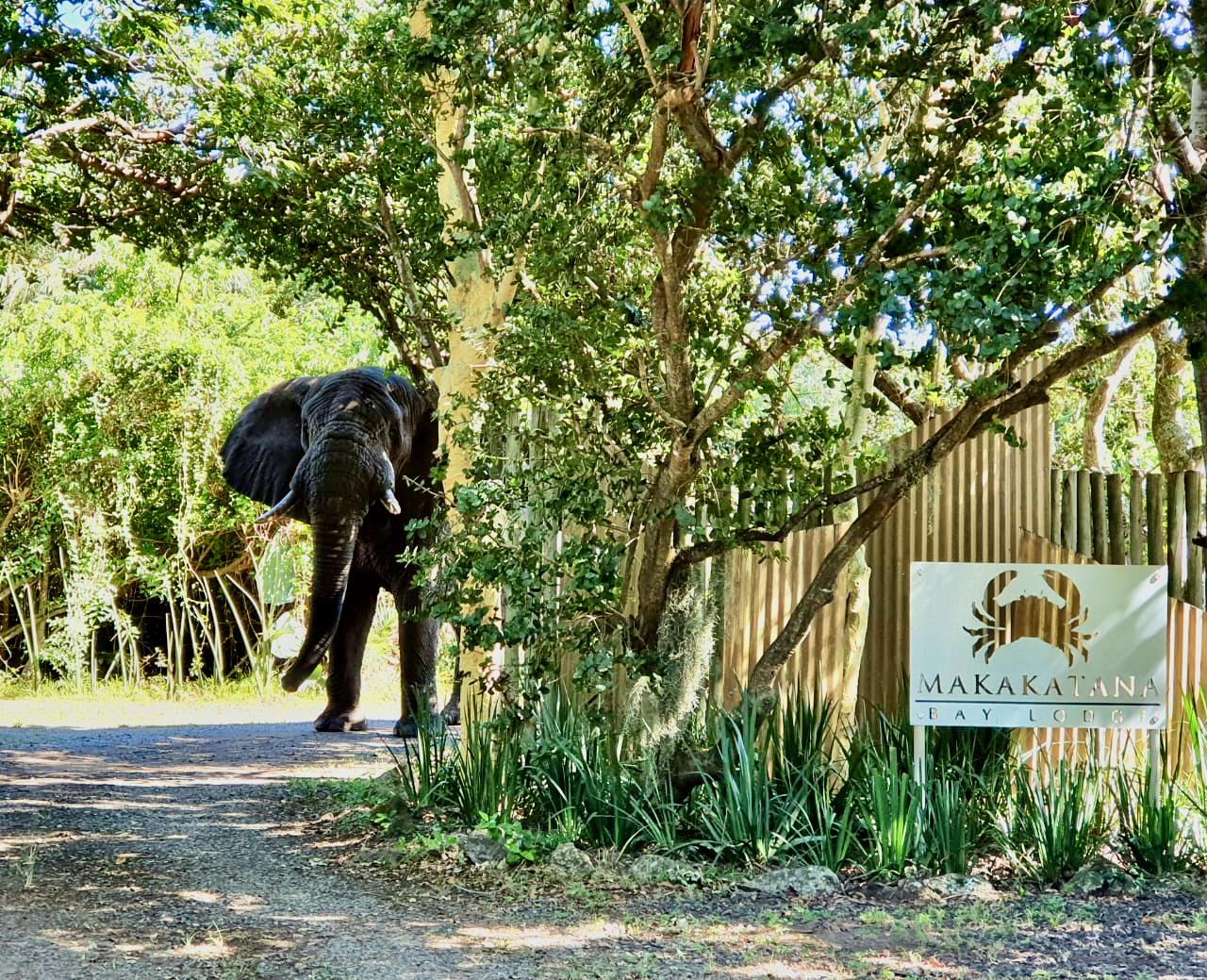
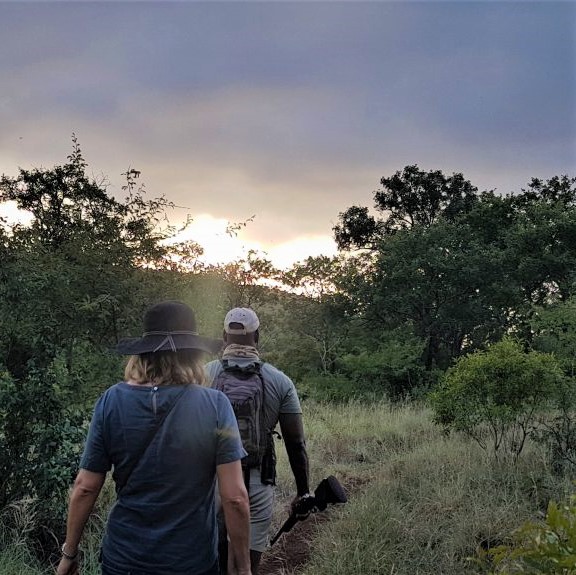
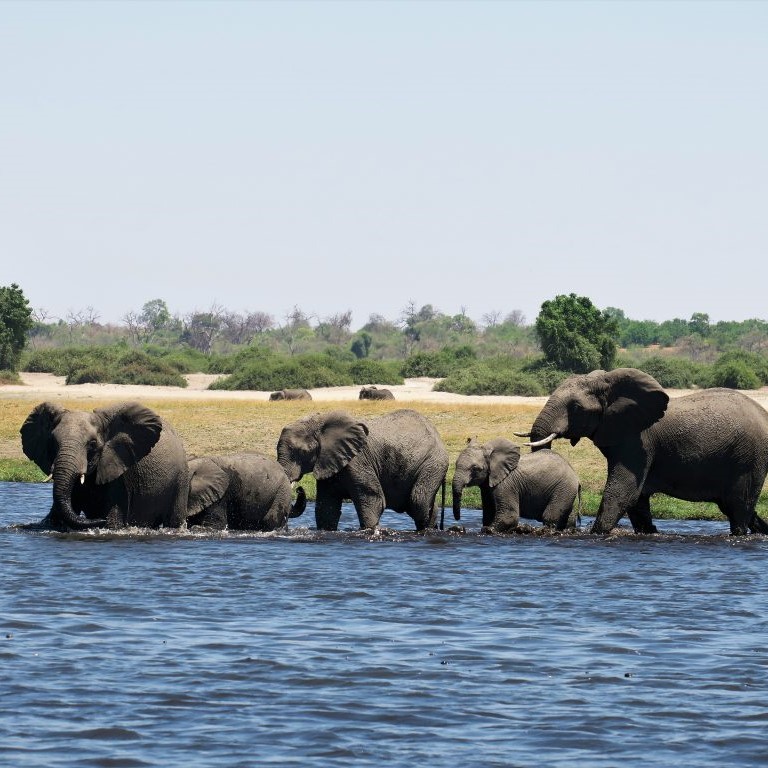
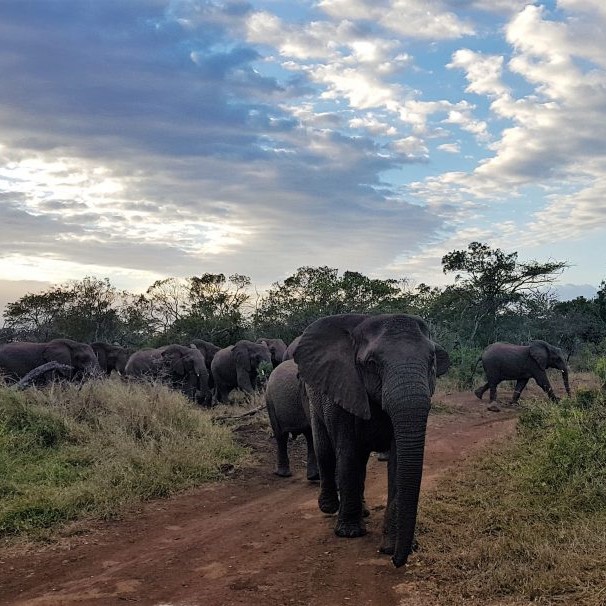
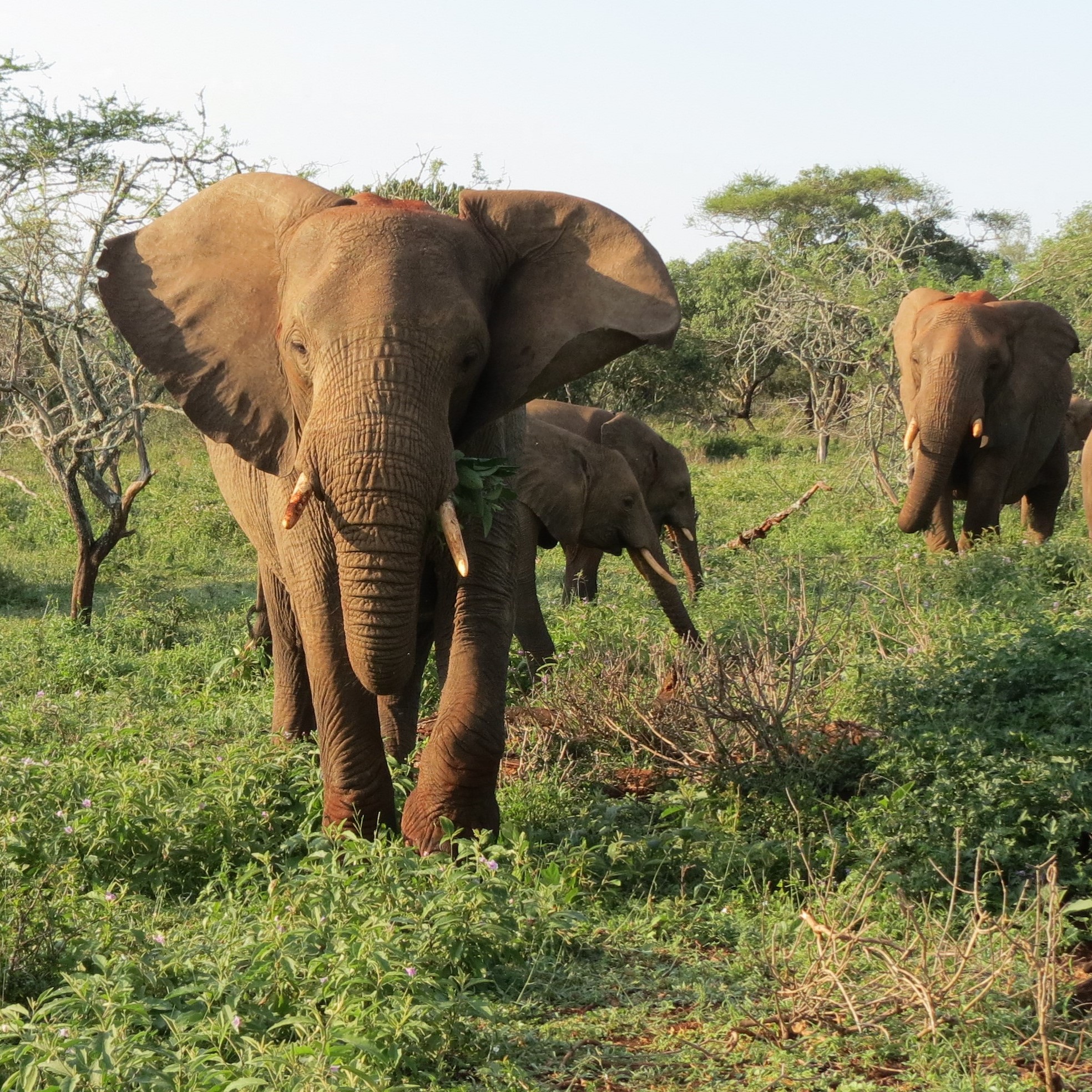
Unfenced and unfussy, Pungwe invites the wild to wander freely. Elephants move quietly between the tents, barely a whisper in the dust, and sometimes – if you’re lucky – a leopard slips by like a shadow between patches of moonlight. This is safari stripped of pretence, offering something richer than opulence: presence.
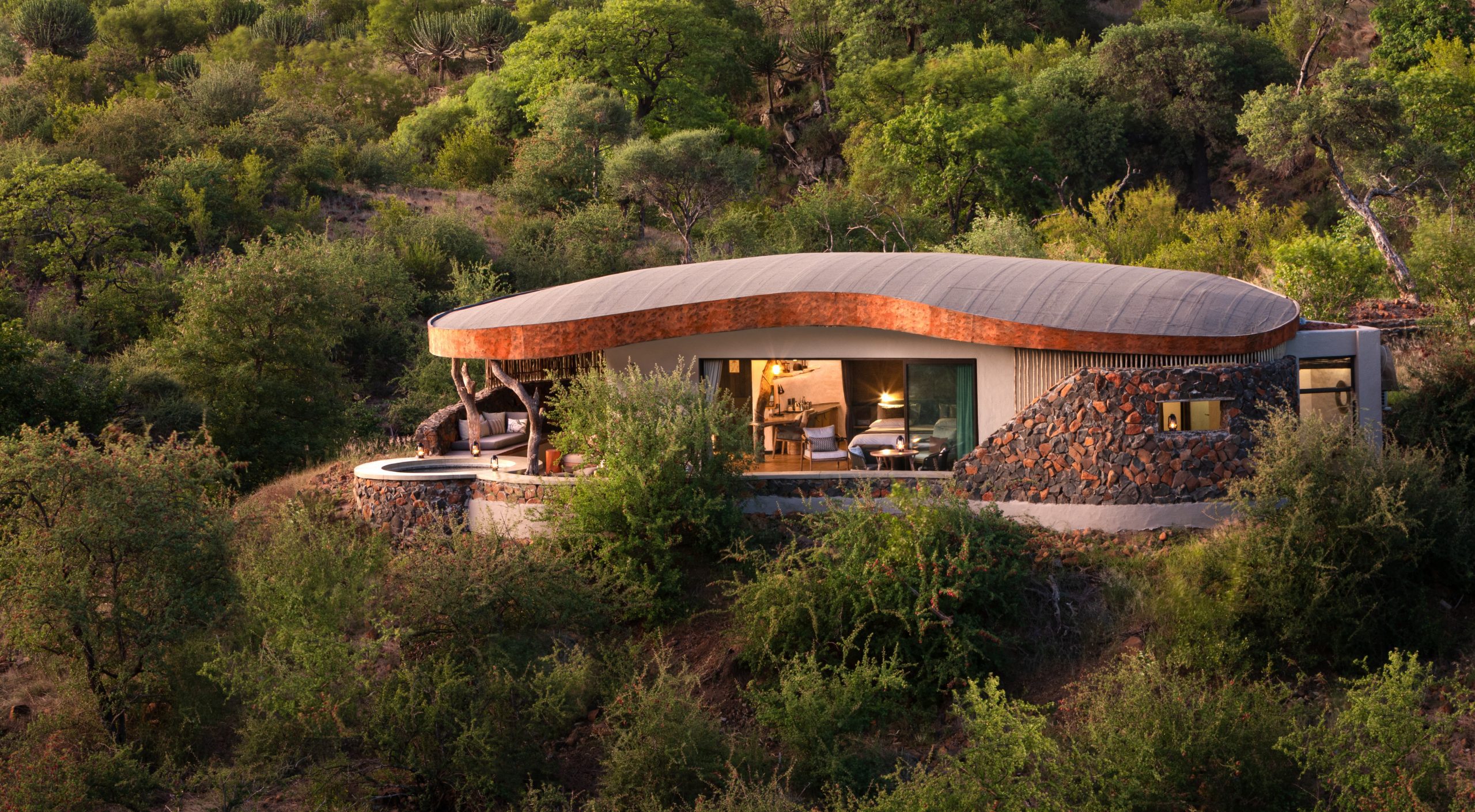
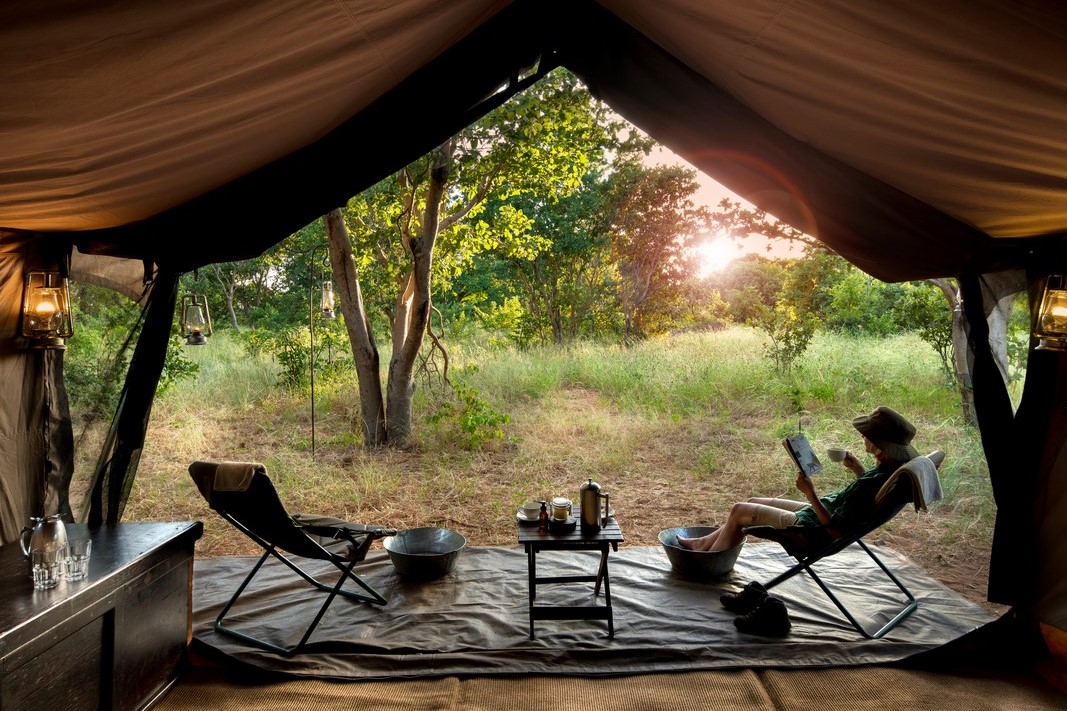
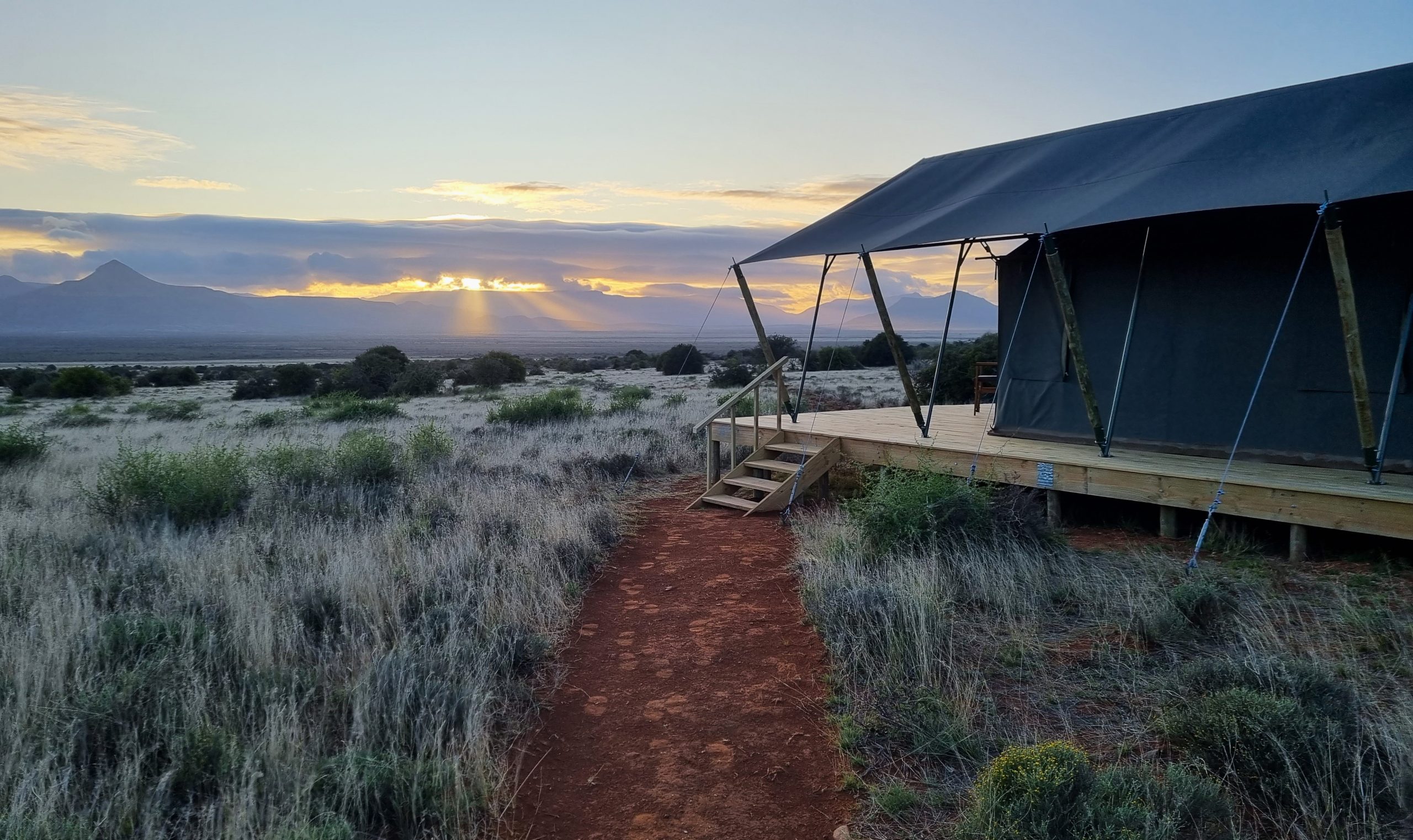
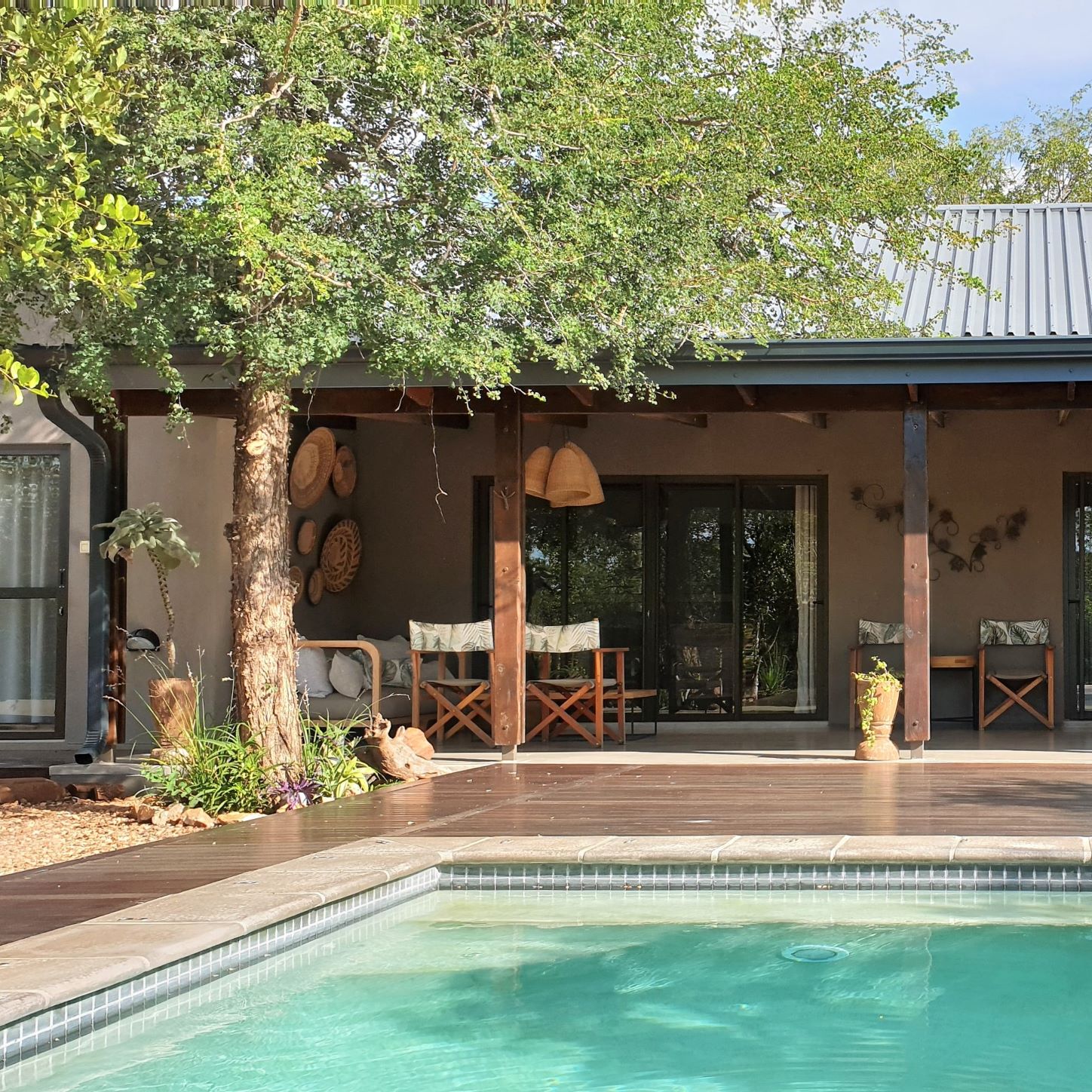
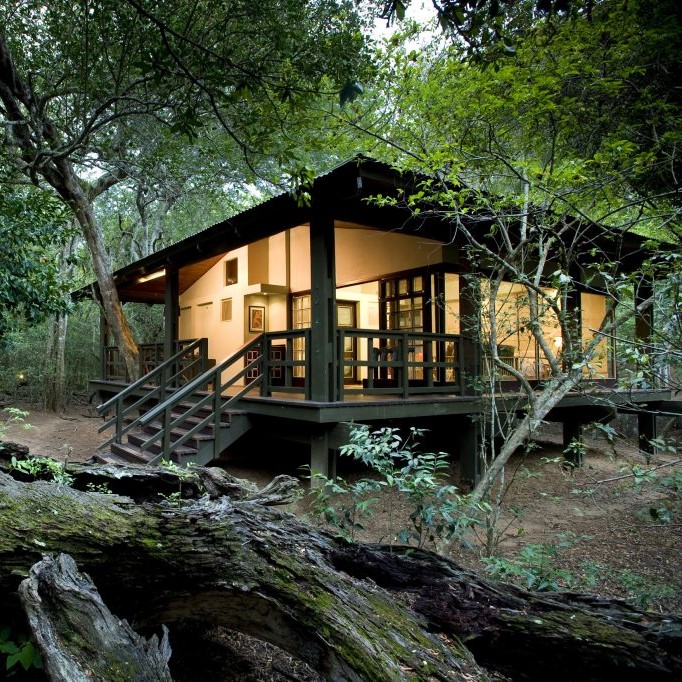
In an endeavour to understand Pungwe fully, I sit with Michel Girardin, the man whose quiet conviction is woven into the soul of the camp. He talks about simplicity in a way that makes me realise how much we’ve complicated safari over the years. Four tents. Eight beds. No pool. No Wi-Fi. No artificially pumped waterhole to force wildlife into view. And far from apologising for it, he is proud of every single thing the camp doesn’t have.

Everything here is intentional. In a world where connection has become relentless, Michel’s version of luxury is the chance to disconnect – to be fully present without a single ping or push notification. “People don’t even realise that having no Wi-Fi is a luxury,” he says wryly. “They’ve forgotten what it feels like.”

He is equally pragmatic about the realities of summer in the Lowveld. The heat builds, the donkey boilers puff away, and even the cold-water pipes turn warm. His advice? Go sit in the shade with a kikoi. That’s our natural air-conditioning.” But everything comes down to expectation. Guests who understand the philosophy fall in love with it. Those who arrive expecting chrome and marble are in the wrong place. The real luxury here is the bush itself, the warmth of the Pungwe team, and the abundance of wildlife the Manyeleti offers.
Who needs these trappings of luxury when the bush itself, the wonderful Pungwe team and the incredible wildlife sightings the Manyeleti offers is a luxury in itself.

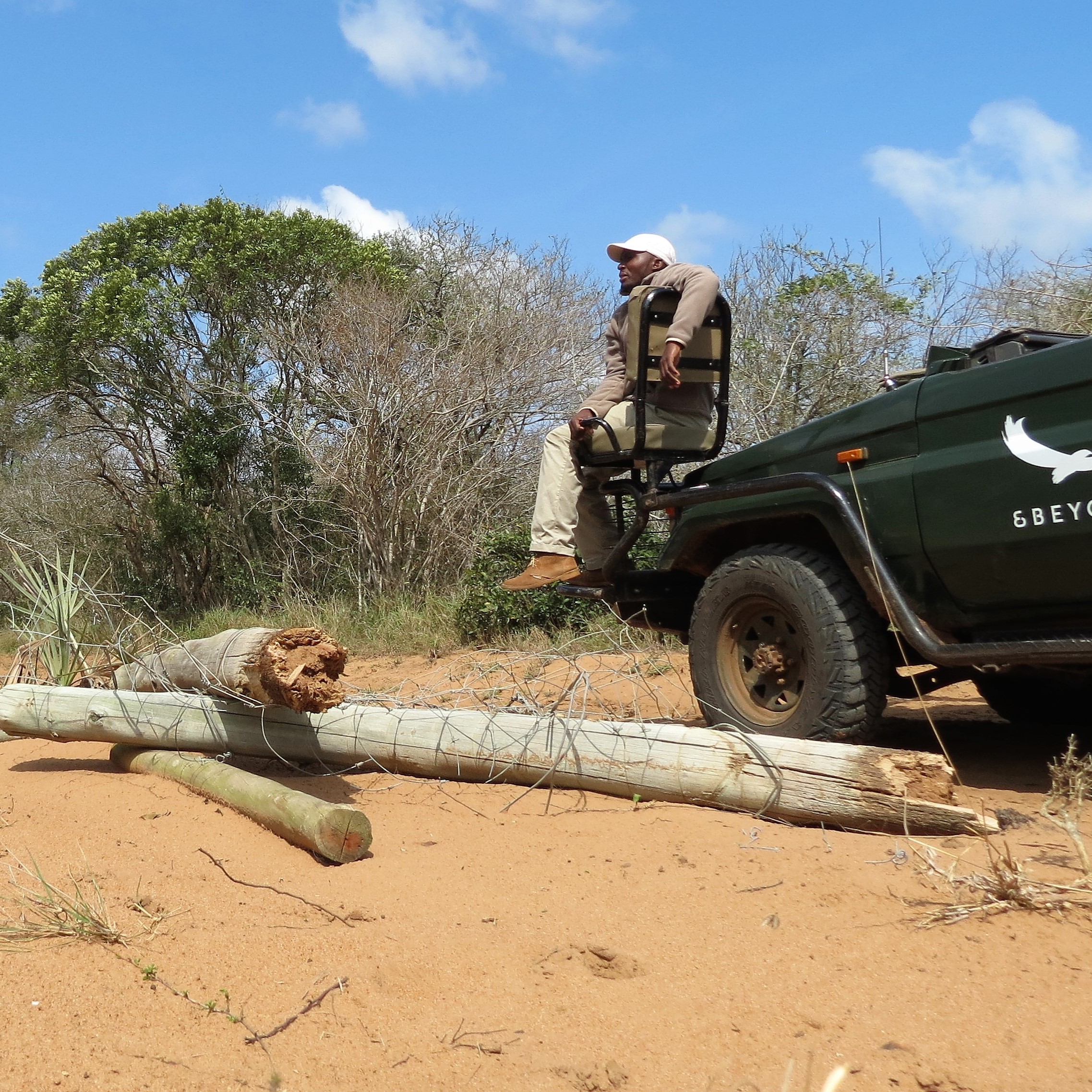
The team is central to Pungwe’s story. Many have grown up with the reserve woven into their lives. Senior guide Isaac Baloyi, now 22 years with the camp, still takes pride in positioning the vehicle so guests can capture the perfect shot. Never Mathebula has guided here for 18 years, following in the footsteps of his father, a Manyeleti field ranger for nearly three decades; the reserve is in his blood.

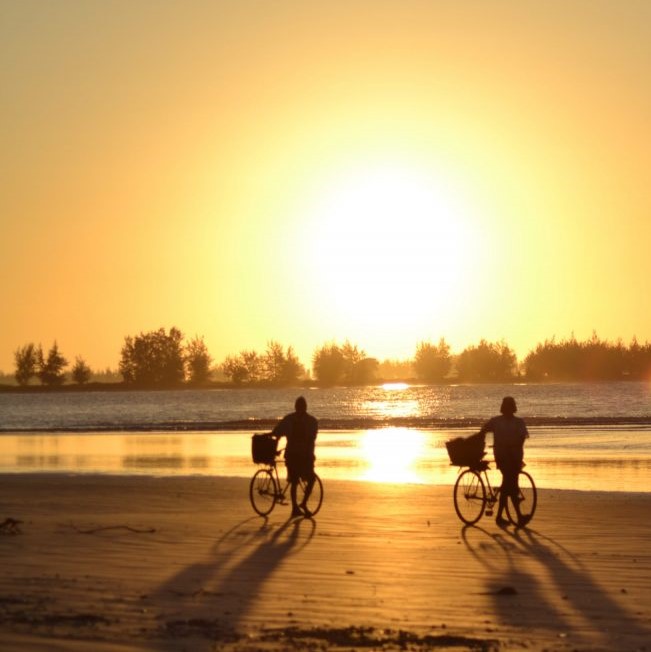
Salphina Khosa, whose family walked from Gaza Province through Kruger during the Mozambican civil war, has been part of Pungwe for two decades. Her late husband, Frans, is immortalised in the nearby Frans Bridge – named after the day he cycled into fifteen lions and escaped up a tree, leaving behind both his bicycle and the two live chickens he’d been transporting.
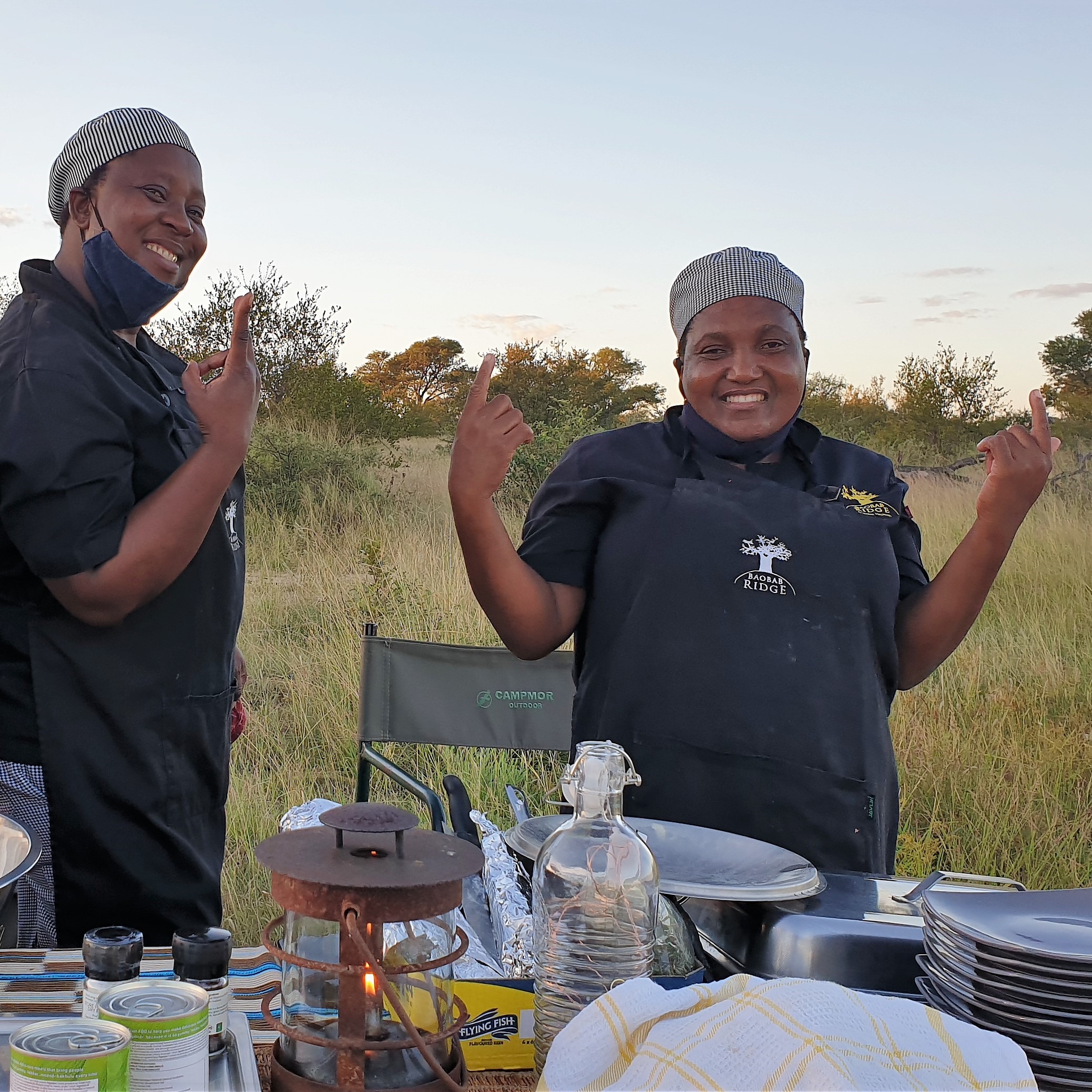
Behind the scenes, the rhythm of camp life is kept steady by the likes of Carol Sibuyi, who arrived at 21 from a small cooking school in Hluvukani and now manages Pungwe’s kitchen with remarkable composure – and creates a delicious bush breakfast over open flames! She cooks with instinct and heart, teaching guests Shangaan greetings between courses.

And then there’s Nandrick Mthabine, whose quiet efficiency keeps the camp running – from lighting donkey boilers to ensuring the dawn kettle sings on time – all while being able to recite every Serie A top goal scorer since 1990. Their stories reflect exactly what sustainable, meaningful employment can bring: stability, pride, and the chance to grow within the landscapes that shaped them.
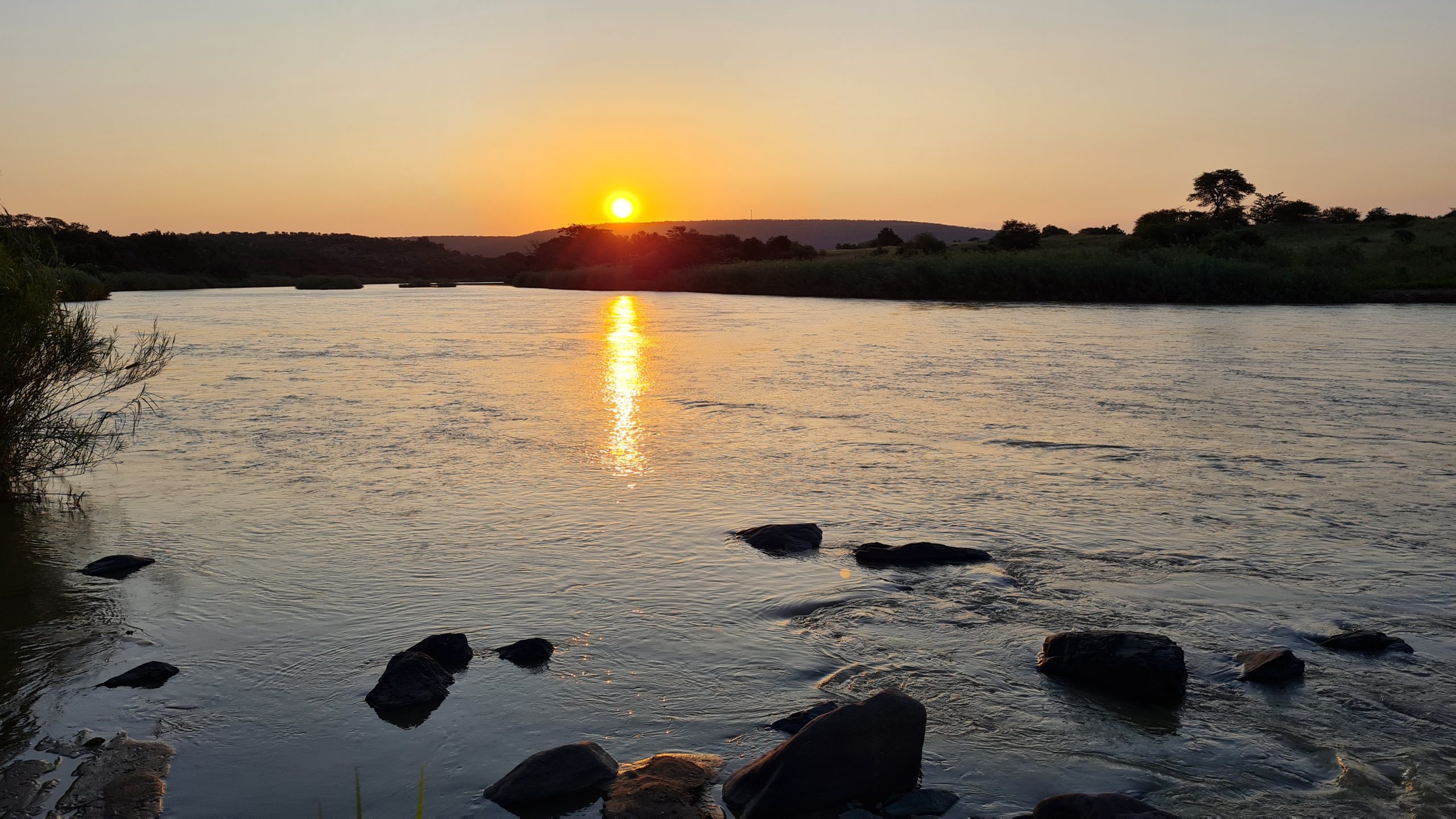
But one cannot fully understand Pungwe without understanding the dynamics of the Manyeleti. As the afternoon light softens and the sky turns from apricot to deep plum, Michel tells the story of the reserve’s name. “‘Nyaleti’ means ‘star’ in Shangaan,” he explains. “Add ‘ma’… and you have Manyeleti – the place of stars.” A poetic name for a place whose history is anything but easy.
Positioned between the Sabi Sand and the Timbavati, the Manyeleti was shaped by the apartheid-era homeland system. It formed part of Gazankulu, the Shangaan/Tsonga “bantustan,” and became one of the few places where Black South Africans could visit when Kruger excluded them. Its creation, however, displaced the communities who lived there. After democracy, a land claim by 172 individuals with verified ancestral ties finally gained momentum – and on 25 November last year, after two decades of bureaucracy and perseverance, they received their title deeds.
Like the Makuleke of northern Kruger, the claimants chose not to settle inside the reserve. Instead, they opted to keep the land wild while benefiting from tourism and conservation. Their vision, Michel tells me, rests on three pillars: community land ownership, private-sector tourism management, and government-led ecological protection. It is a model with the potential to redefine conservation frameworks across the Greater Kruger – if remaining hurdles, particularly around revenue allocation, can be resolved.
Michel’s passion, however, extends far beyond Pungwe. What drives him is ensuring that protected areas do not become “islands of opulence in a sea of poverty.” With close to two million people living within 50–80 kilometres of Kruger, he believes the Manyeleti’s long-term future must be rooted in inclusive, meaningful community benefit. Employment alone isn’t enough; real transformation requires entrepreneurship, skills development, and long-term support.

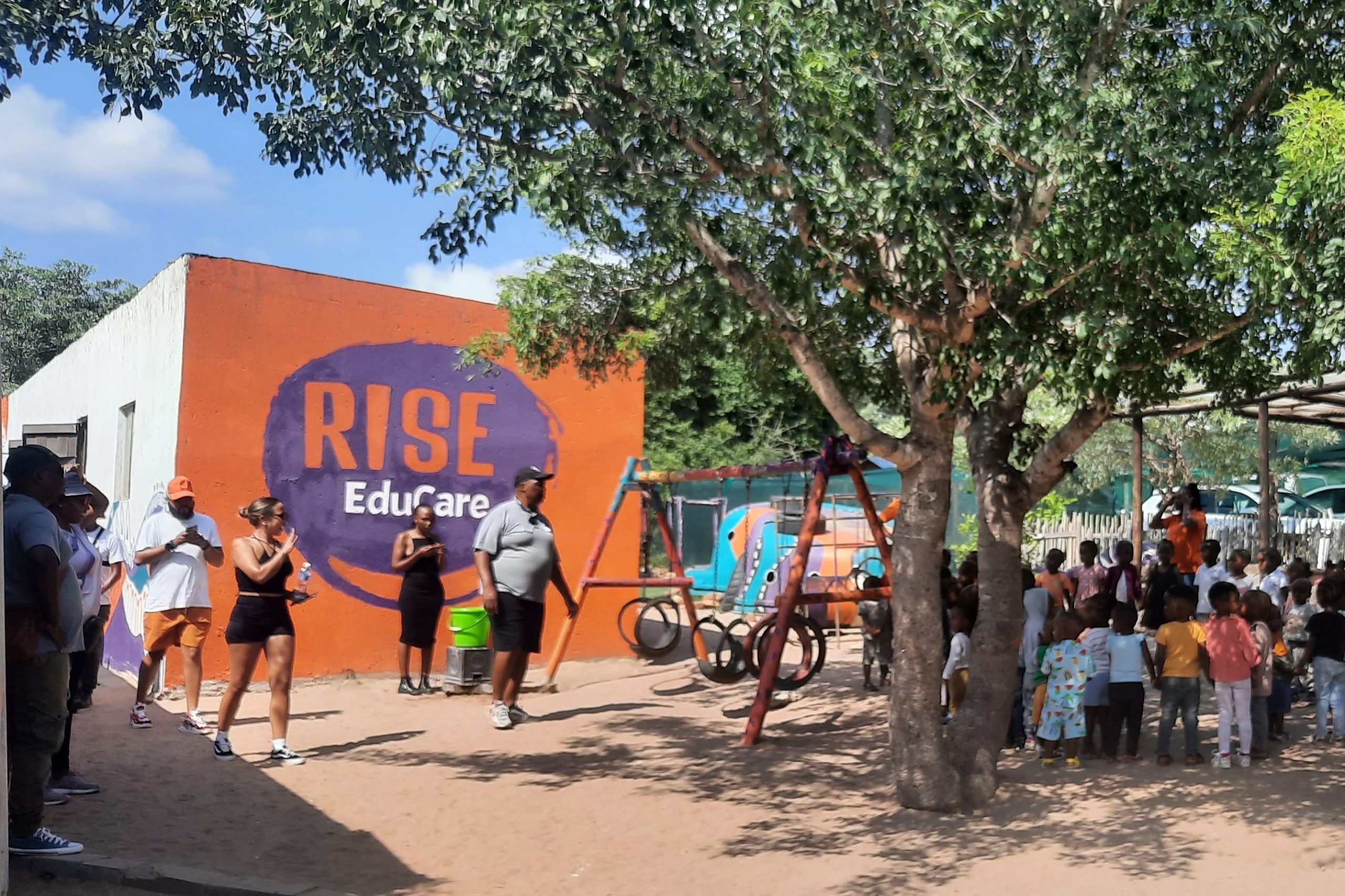
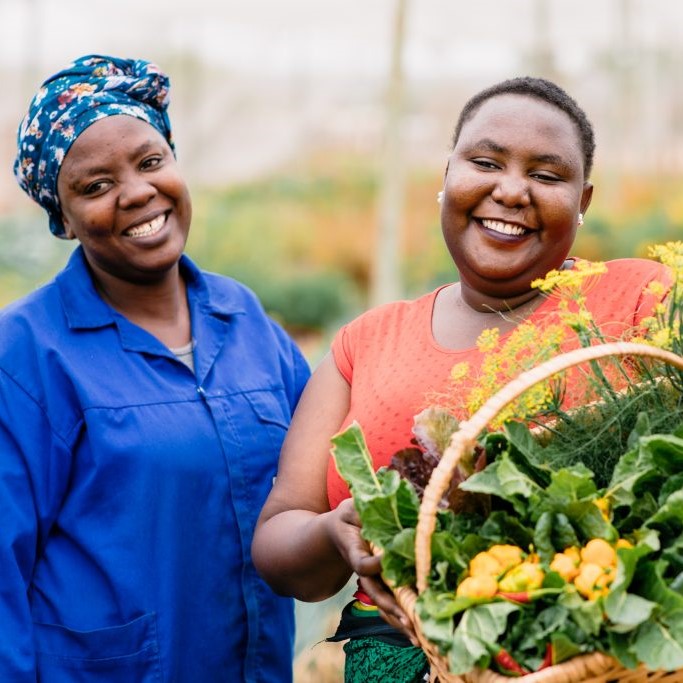
And change is already stirring. Through workshops and supplier–buyer events – including those linked to broader incubation programmes – Michel has met a growing network of local farmers and entrepreneurs offering everything from meat and vegetables to cleaning products and fully compliant waste-management services. One woman running an impressive waste-management business stands out for her professionalism and readiness to serve lodges that barely knew such a service existed. Recent gatherings in the reserve have revealed far more talent and capacity than anyone anticipated, and Michel is determined to help channel that momentum.
For him, the old, crumbling buildings at the former main camp aren’t relics but opportunities waiting to be unlocked. He imagines a community-owned laundry serving all lodges, a revived petrol station, a small mechanical workshop servicing lodge vehicles, a dedicated waste-management enterprise, and even a community-run game-drive operation supported by a major vehicle brand. Practical ideas, all rooted in Fair Trade Tourism principles. “Mintiro ya vula vula,” he says – work speaks. And in the Manyeleti, it feels like the time has come.

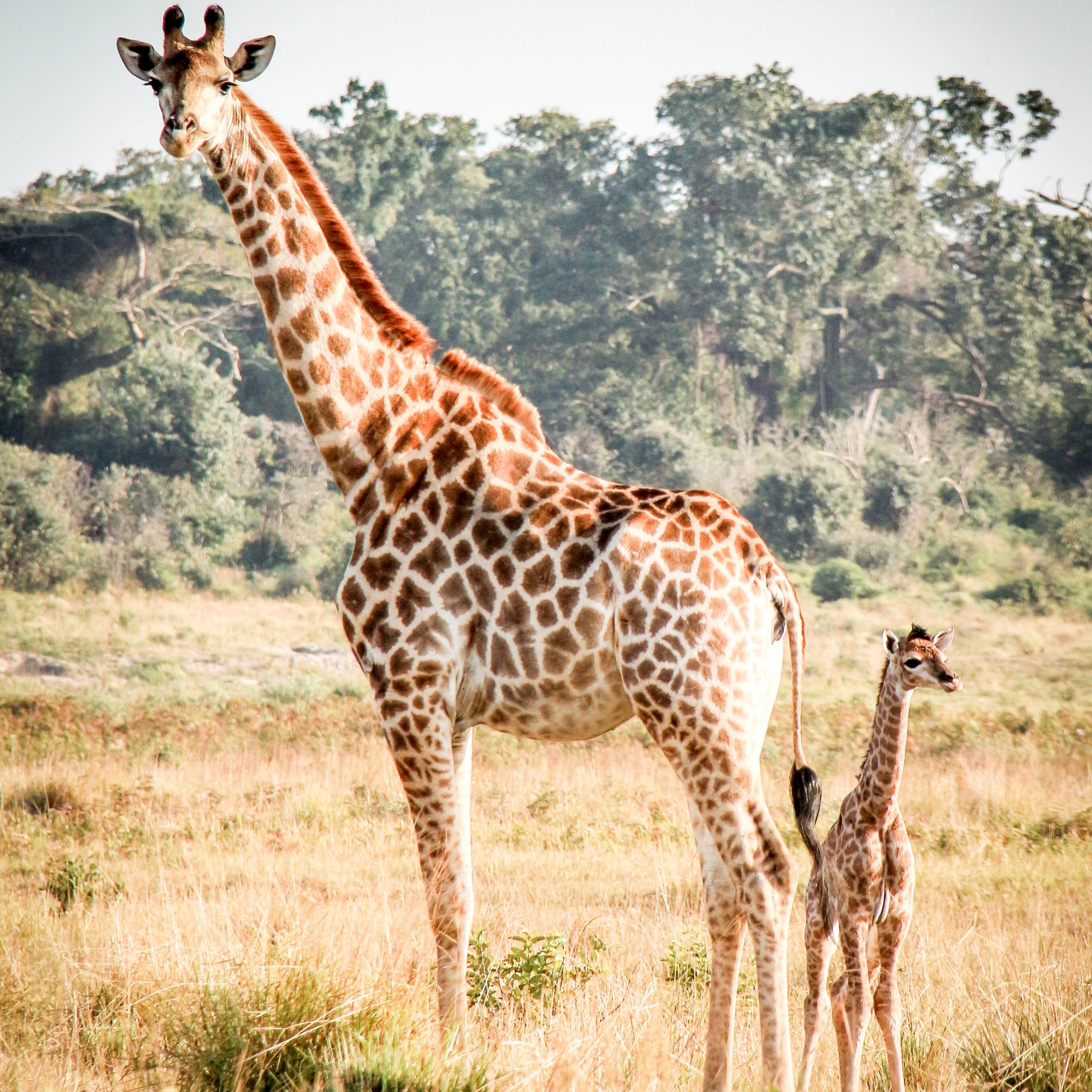
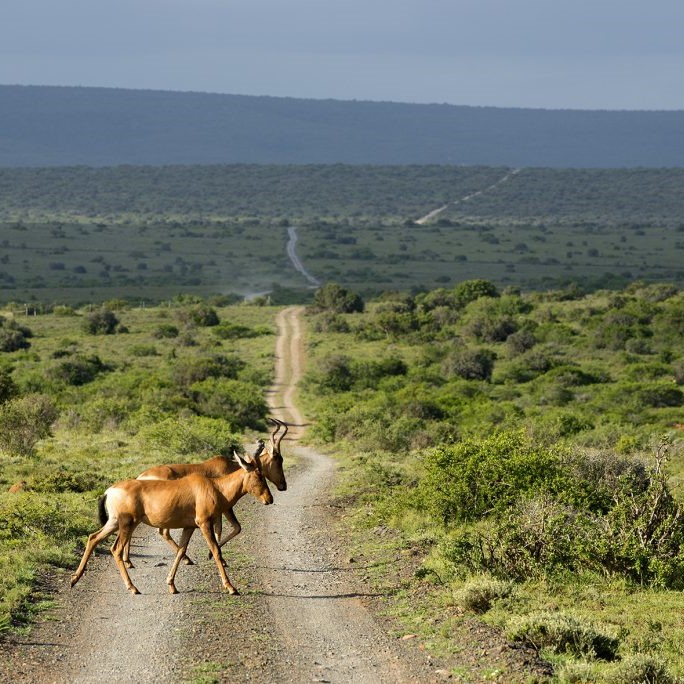
Later that afternoon, as giraffes move slowly across the horizon and the sun bleeds into the trees and night settles in, Michel’s conviction was unwavering. “The Manyeleti is a jewel,” he says quietly. “An undiscovered one. And it’s ready.”
www.pungwe.co.zahttps://www.pungwe.co.za/