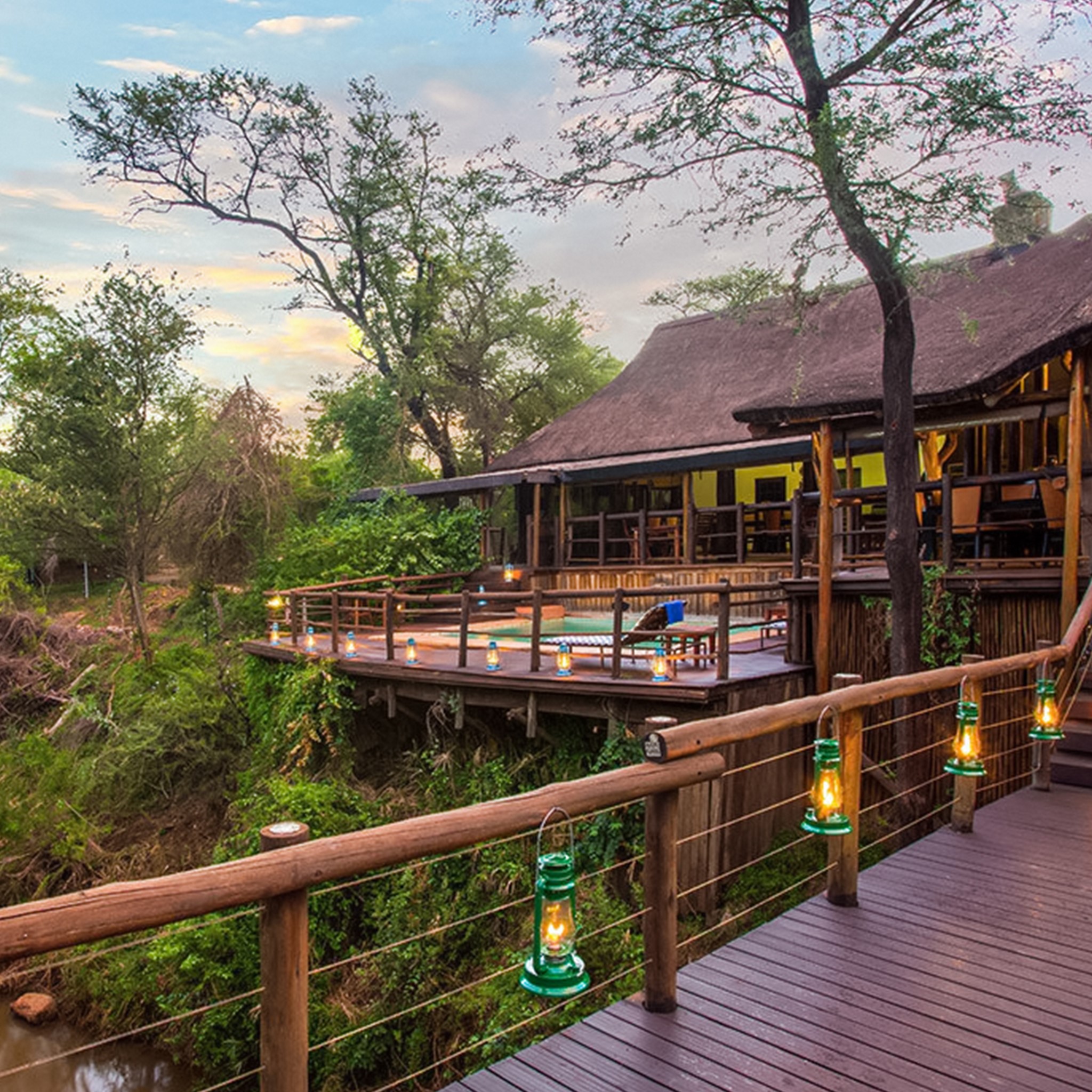
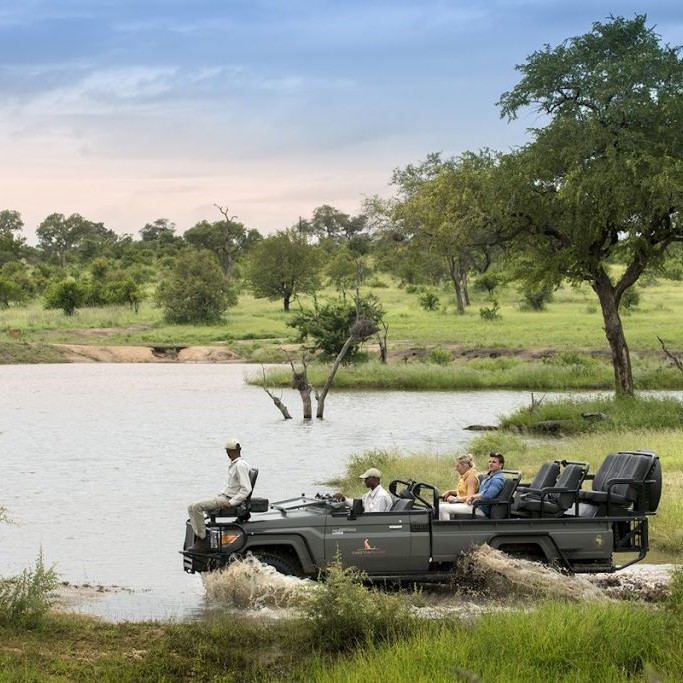
Motswari Private Game Reserve marks a significant milestone in 2026, celebrating 50 years of family-owned conservation, soulful hospitality and deep connection to the African wilderness. Founded in 1976, Motswari has grown from humble beginnings into one of South Africa’s most enduring private game reserves, while remaining true to its founding ethos: to conserve and protect.
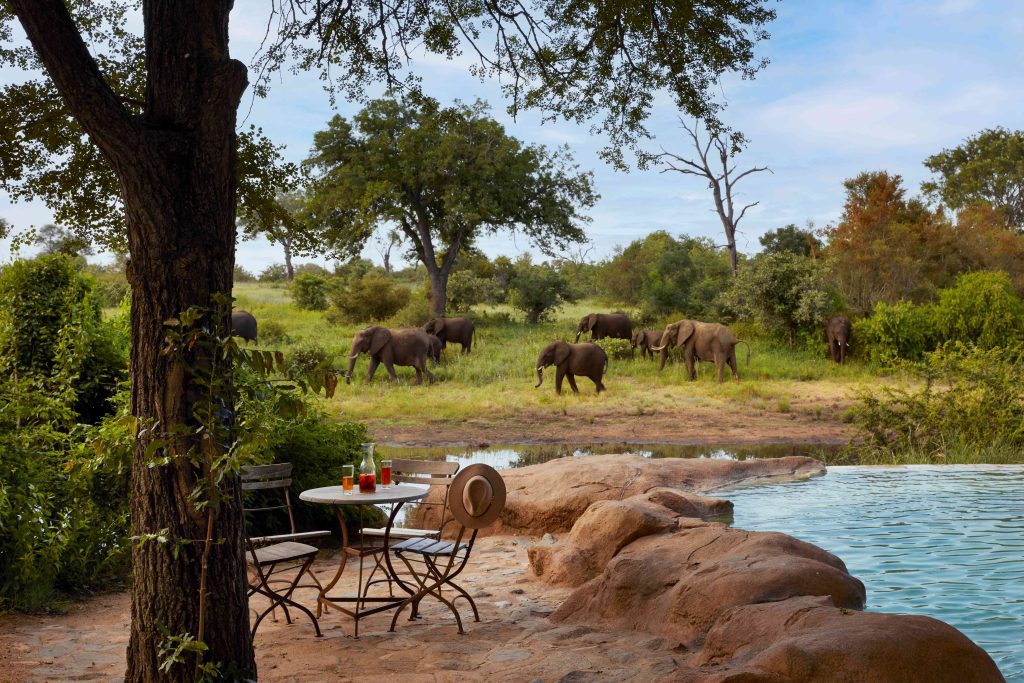
Set within the Timbavati and Umbabat Private Nature Reserves, part of the greater Kruger ecosystem, Motswari’s story is inseparable from that of the Geiger family, whose vision has guided the reserve across three generations. What began as a small rehabilitation centre for wild dogs and cheetahs with just five rondavels has evolved into a collection of distinctive safari experiences – all united by authenticity, warmth and a shared respect for the land.
In 1982, conservationist Paul Geiger completed the purchase of Motswari, dedicating his life to protecting the wilderness of the Lowveld. As chairman of both the Timbavati and Umbabat reserves, he played a pivotal role in one of the region’s most important conservation achievements: the removal of fences between the Kruger National Park and neighbouring private reserves, allowing wildlife to roam freely across a vast, open ecosystem.
Today, Motswari is led by Marion Geiger-Orengo, daughter of Paul and Mechthild Geiger, whose stewardship blends conservation, creativity and community. A fine artist by training, Marion has woven her artistic sensibility into the lodge’s identity, with original artworks and thoughtful design details found throughout the camps – reflecting both heritage and place.
At the heart of Motswari, however, are its people. Many staff members have spent decades on the reserve, carrying deep knowledge of the land and an instinctive understanding of its rhythms. Their warmth, continuity and quiet pride are consistently cited by returning guests as what makes Motswari feel lived-in rather than staged – a place shaped as much by human presence as by wilderness.
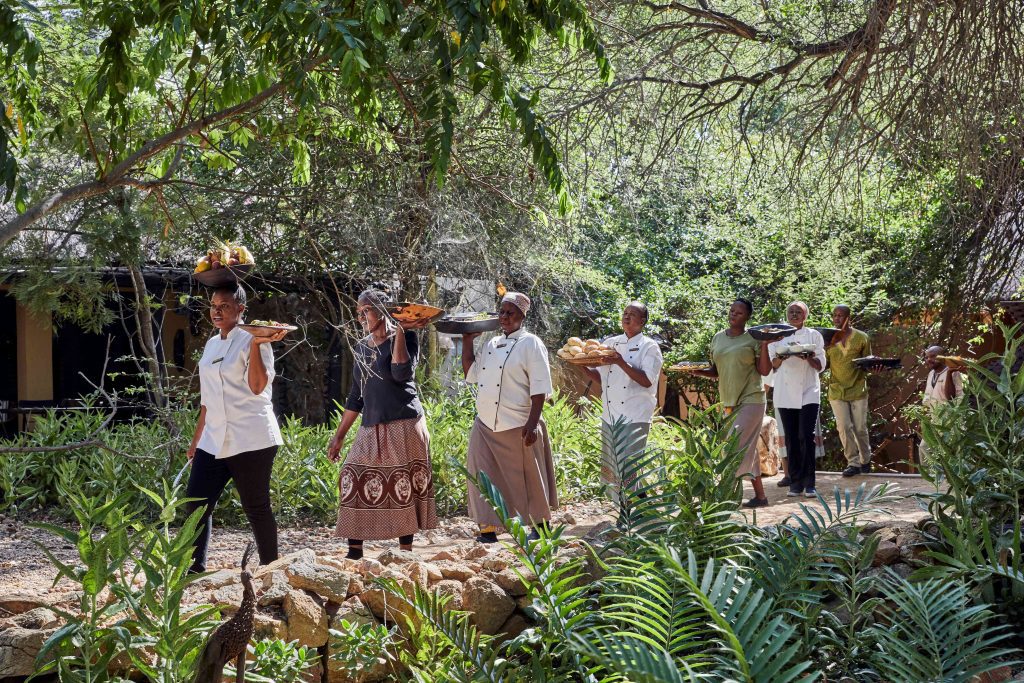
“Without soul, hospitality is nothing more than a paid destination,” says Geiger-Orengo. “What makes Motswari unique is its spirit – held by the people who care for this land, the wildlife that moves freely through it, and the generations of guests who return, carrying this place with them.”
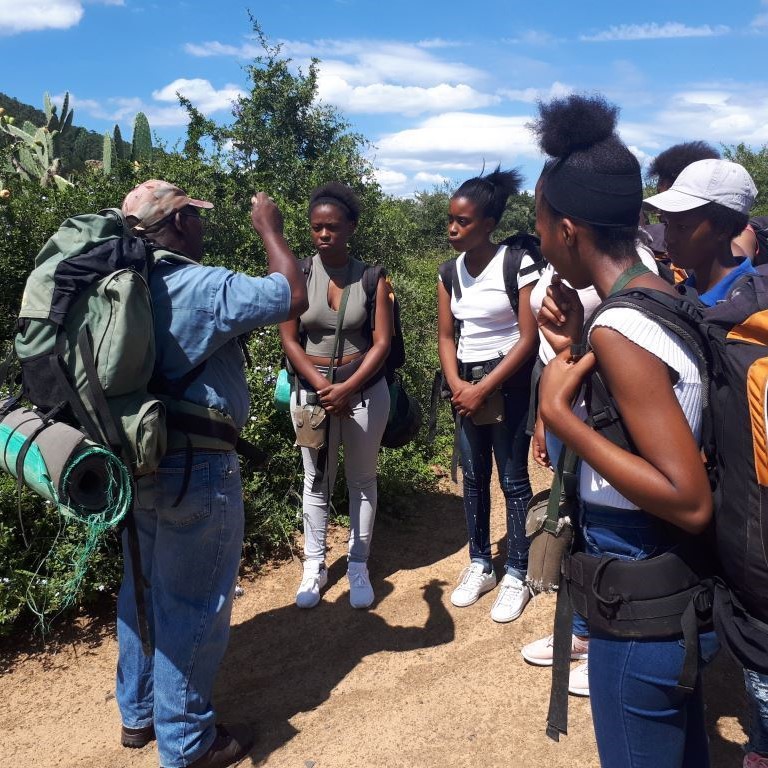
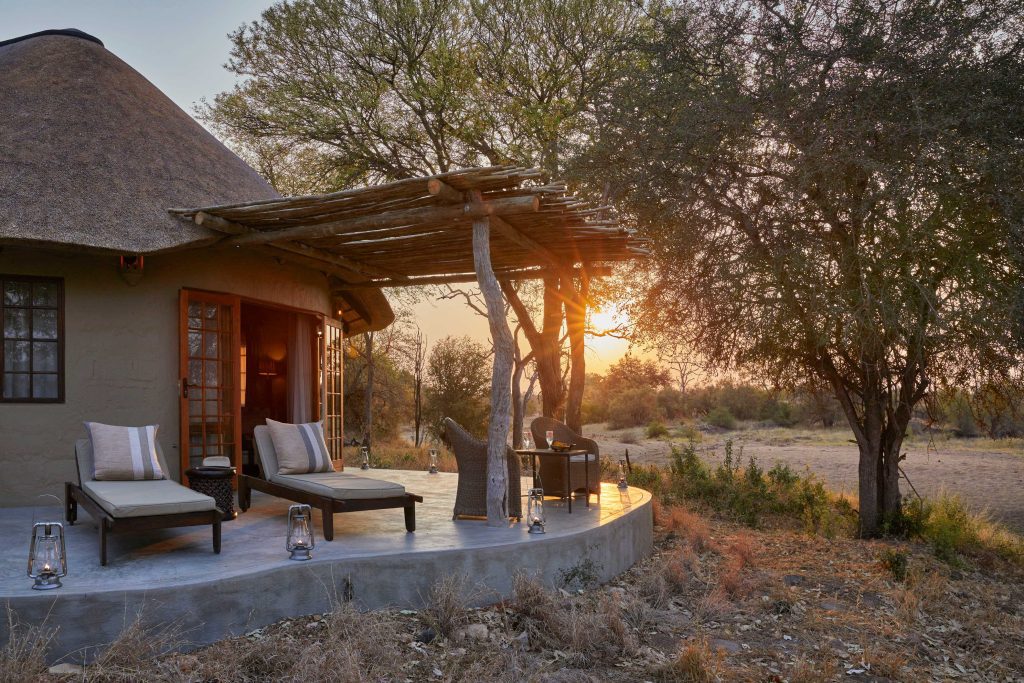
Over five decades, Motswari has evolved into a collection of five distinctive camps, including the original Motswari Game Lodge, two self-catering camps, the intimate Geiger’s Camp, and the recently launched Motswari African Retreat & Walking Safaris, offering guests a slower, more immersive connection to the bush.
Within this landscape, experiences unfold across distinct destination choices: the seclusion of Paul’s Hideaway for private wilderness stays, the elevated, kindred treetop perspective of Giraffe’s Nest, and the spacious Modjadji Master Suite, shaped by the storied, layered warmth of Geiger’s Camp. While varied in character, each remains grounded in Motswari’s long-standing commitment to conservation, Fair Trade principles and responsible, sustainable operations.
“Reaching 50 years of family-led conservation is an extraordinary achievement in modern safari,” says Neil Markovitz, CEO of Newmark Hotels & Reserves. “Motswari stands apart for its authenticity, its unwavering commitment to conservation, and the depth of connection it creates between people and place. It is a privilege for Newmark to partner with a reserve whose values have endured across generations.”
Motswari’s story is also closely linked to the Timbavati’s rare white lions. For decades, these lions existed only as myth, until their confirmed discovery in the 1970s revealed a rare recessive genetic trait known as leucism. The most famous of these lions, a lioness named Whitey, lived to an exceptional age and became a lasting symbol of the region. While sightings remain rare, white lions continue to be born in the Timbavati every few generations. Motswari rangers have recently recorded sightings of a white male known as Xakubasa, and in 2025, returning guest Mykal Dutton captured images of a white cub alongside its tawny siblings – a powerful reminder of a wilderness that remains alive, complex and continually unfolding.
Beyond its borders, Motswari’s conservation legacy extends into global advocacy. In 2014, following a devastating rhino-poaching incident, Marion Geiger-Orengo and her husband Fabrice Orengo founded Rhino Disharmony, a creative initiative that uses art, music and storytelling to challenge the myths surrounding rhino horn and support anti-poaching efforts across Africa.
As the reserve celebrates its golden anniversary, the next generation – Victor and Eléa Orengo de Lamazière – is already deeply rooted in Motswari’s future, continuing a family legacy shaped by wilderness, creativity and care for community.
After 50 years, Motswari remains what it has always been: a place shaped by people, guided by conservation, and defined by lasting connections.
Arrive as a visitor, leave as a friend.